Top Tips For Using A Red Light Bed In Your Gym
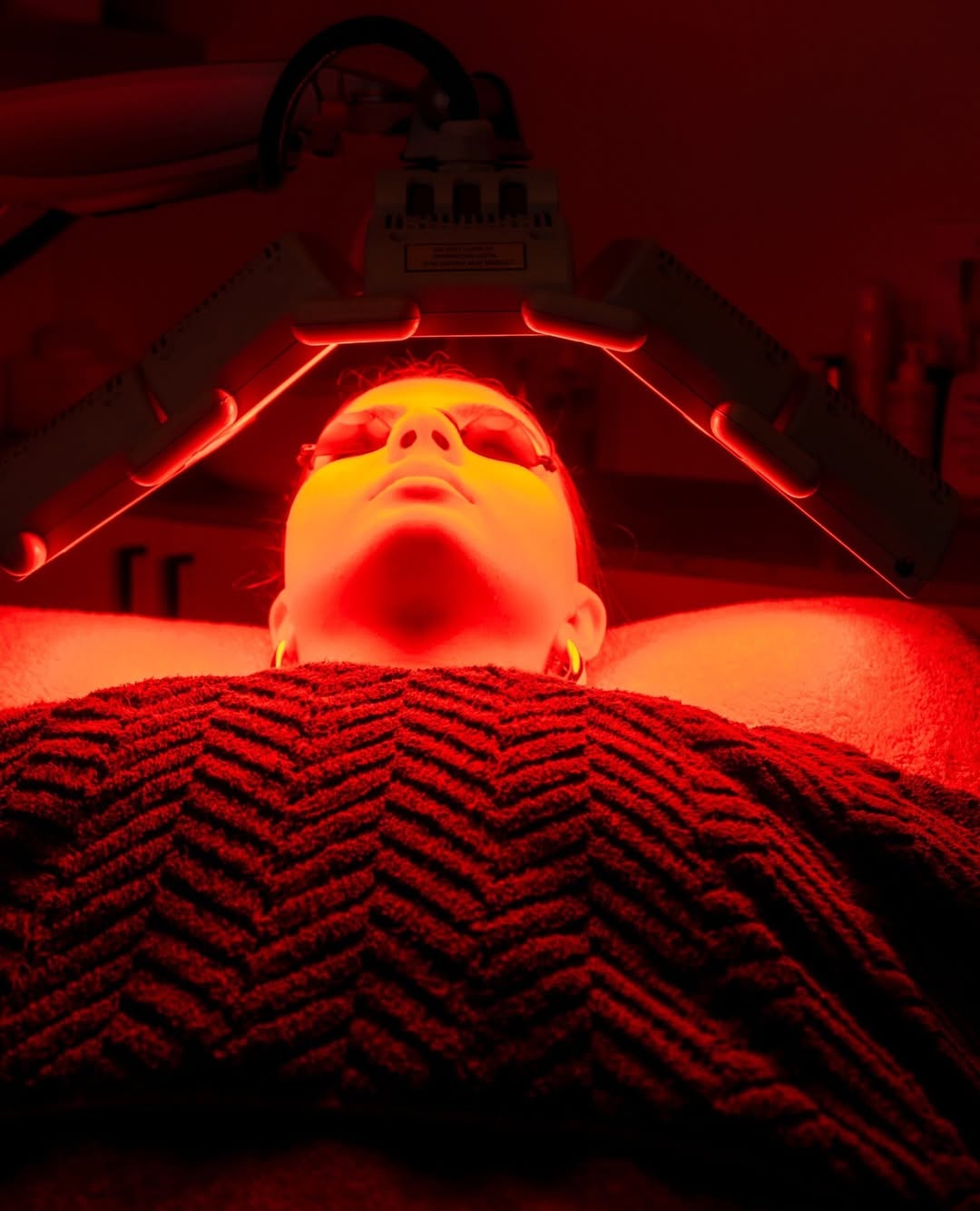
As fitness enthusiasts continually seek innovative ways to enhance their performance and recovery, red light therapy has emerged as a potent tool in gym settings. The integration of red light beds in fitness regimes has garnered attention for their purported benefits, including improved muscle recovery, enhanced athletic performance, and the potential reduction of inflammation. This article explores the science behind red light therapy and how gym-goers can leverage these specialized devices to maximize their workouts and overall wellness.
In recent years, red light beds have gained popularity not only among bodybuilders and professional athletes but also among everyday fitness lovers. Unlike traditional tanning beds that emit harmful UV rays, red light therapy beds utilize specific wavelengths of light to stimulate cellular repair and boost energy levels. This article will delve into the mechanics of red light therapy, its physiological effects on the body, and practical tips for incorporating these innovative beds into your fitness routine for optimal results.
Mechanics of Red Light Therapy
Red light therapy works by utilizing specific wavelengths, typically in the range of 600 to 650 nanometers, to penetrate the skin and reach the underlying tissues. This exposure stimulates the mitochondria within cells, often referred to as the “powerhouses” of the cell, to produce more adenosine triphosphate (ATP). Increased ATP production leads to enhanced cellular energy, promoting faster recovery, reduced muscle fatigue, and improved performance. By incorporating a Red Light Bed For Gym into workout routines, athletes can benefit from these effects, enhancing not only their physical resilience but also overall wellness.
Practical Tips for Incorporation
To effectively integrate red light therapy into your fitness regimen, timing and duration are crucial factors to consider. For optimal results, many experts recommend using red light therapy beds for sessions ranging from 10 to 20 minutes, ideally before or after workouts. Pre-workout sessions may help in warming up muscles and enhancing energy levels, while post-workout treatments can aid in recovery by reducing inflammation and muscle soreness. Additionally, consistency is key; regular use maximizes the cumulative benefits, ensuring that your body remains in peak condition to tackle new challenges in your fitness journey.
In conclusion, the incorporation of a red light bed into gym routines presents a compelling opportunity for fitness enthusiasts to boost their performance and expedite recovery. By harnessing the power of red light therapy, users can experience enhanced energy levels, reduced inflammation, and improved muscle recovery, allowing them to push their limits more effectively. As more individuals recognize the advantages of this innovative approach, it can serve as a game changer not just for elite athletes but for anyone looking to optimize their workouts and overall well-being. Embracing this technology in conjunction with a balanced fitness regimen may well pave the way for a more resilient, energized, and well-rounded approach to health and fitness.

Related Posts

Discover The Best Tips For A Brighter Smile Today!