Mobile Dash Cam Installation Guide: Step-By-Step Tips
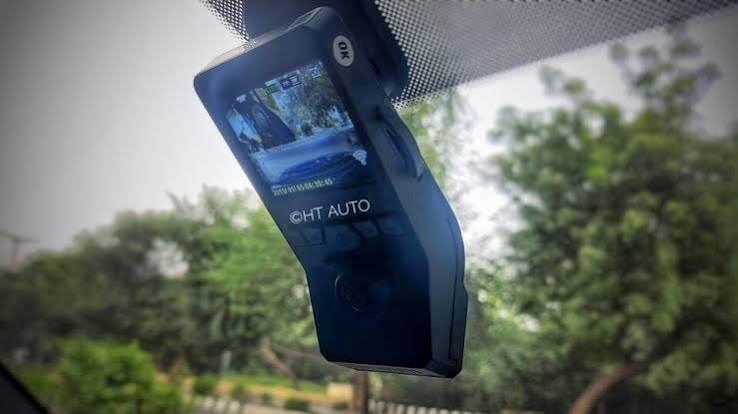
In today’s fast-paced world, where road safety and security are paramount, mobile dash cams have emerged as valuable tools for both personal and professional drivers. These compact cameras not only enhance situational awareness on the road but also provide crucial evidence in case of accidents or disputes. As the technology advances, the installation process for these devices has become more streamlined, allowing individuals to easily equip their vehicles with this essential safety feature. This article aims to guide readers through the steps of mobile dash cam installation, ensuring they can capture every moment of their driving experience with confidence.
Whether you’re a daily commuter, a rideshare driver, or a road trip enthusiast, understanding how to properly install a mobile dash cam can make a significant difference in your overall driving experience. From selecting the right camera model to securing it correctly within your vehicle, the process is straightforward but requires attention to detail. In this article, we will explore the essential steps and tips for a successful dash cam installation, helping you safeguard your journeys and navigate the roads with peace of mind.
Selecting the Right Dash Cam
Choosing the right mobile dash cam is crucial for optimal performance and usability. When selecting a model, consider key features such as video resolution, night vision capabilities, and storage options. Higher resolution cameras provide clearer footage, which can be vital during an incident. Additionally, some models offer advanced features like GPS tracking and Wi-Fi connectivity, allowing for easier access to footage. For a comprehensive guide on various dash cam models and their specific advantages, you can refer to https://schmicko.com.au/dash-cam-installation-melbourne/.
The installation process for a mobile dash cam typically involves cleaning the mounting area, securing the camera, and connecting power sources. Start by choosing a location behind your rearview mirror for an unobtrusive view. Make sure to clean the surface thoroughly to ensure a strong adhesive bond. After securing the camera, route the power cable neatly along the edges of your windshield or through the headliner for a clean appearance. Finally, perform a test run to ensure that the camera captures the desired field of view and is functioning correctly before hitting the road.
In conclusion, a successful mobile dash cam installation not only enhances your driving experience but also provides an added layer of safety and security on the road. By carefully selecting the right model that suits your needs and following the installation steps, you can ensure that your dash cam operates effectively, capturing crucial footage in real time. Remember to take your time during the setup process, pay attention to the positioning for optimal visibility, and secure all connections neatly to avoid any distractions while driving. With your dash cam properly installed, you can drive with confidence, knowing that you’re equipped to handle any situation that may arise on your journeys.

Related Posts
A Casual Food-&-Shopping Day In Manassas, 20110

How To Ace Ielts Mock Tests: A Step-By-Step Guide