Covid Toes: Symptoms And Treatment Guide
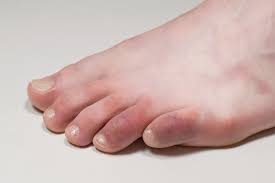
As the COVID-19 pandemic continues to affect millions of people around the world, healthcare professionals are noticing a strange and potentially new symptom in some patients – COVID toes. This phenomenon involves the development of red or purple lesions on the toes, and sometimes fingers, of individuals infected with the coronavirus.
While more research is needed to fully understand the connection between COVID-19 and these skin symptoms, it has been observed that patients with mild or asymptomatic cases of the virus are more likely to experience COVID toes. Understanding this lesser-known symptom can help in early detection of the virus and may lead to better treatment strategies for those affected by COVID-19.
Understanding COVID Toes
Patients who develop covid toes are often asymptomatic or have mild cases of COVID-19, making this symptom an important indicator for healthcare professionals. These lesions can vary in appearance, from a reddish rash to purple discoloration, and may be accompanied by swelling or a burning sensation. While the exact cause of COVID toes is still under investigation, it is believed to be related to the body’s inflammatory response to the virus, leading to skin manifestations in certain individuals.
Early Detection and Treatment Strategies
By educating both medical professionals and the public about the existence of covid toes, there is an increased chance of early detection of COVID-19 cases. Recognizing these skin symptoms can prompt individuals to seek testing and treatment sooner, potentially preventing further spread of the virus. Continued research into this phenomenon will help in developing targeted therapies for patients experiencing COVID toes, enhancing their overall care and recovery.
In conclusion, COVID toes continue to be an intriguing and important aspect of the COVID-19 pandemic. As researchers work to understand the connection between these skin symptoms and the virus, healthcare professionals can use this knowledge as a tool for early detection and improved treatment strategies. By recognizing the presence of COVID toes in patients, individuals can seek testing and care sooner, potentially helping to limit the spread of the virus. Continued research into this unique symptom will ultimately contribute to better care and outcomes for those affected by COVID-19.

Related Posts

Discover The Best Tips For A Brighter Smile Today!